Crowns & Bridges
Restoring damaged teeth and replacing missing ones with ceramic restorations. Zirconia, E-MAX, and metal-ceramic — the right material explained honestly based on your situation.
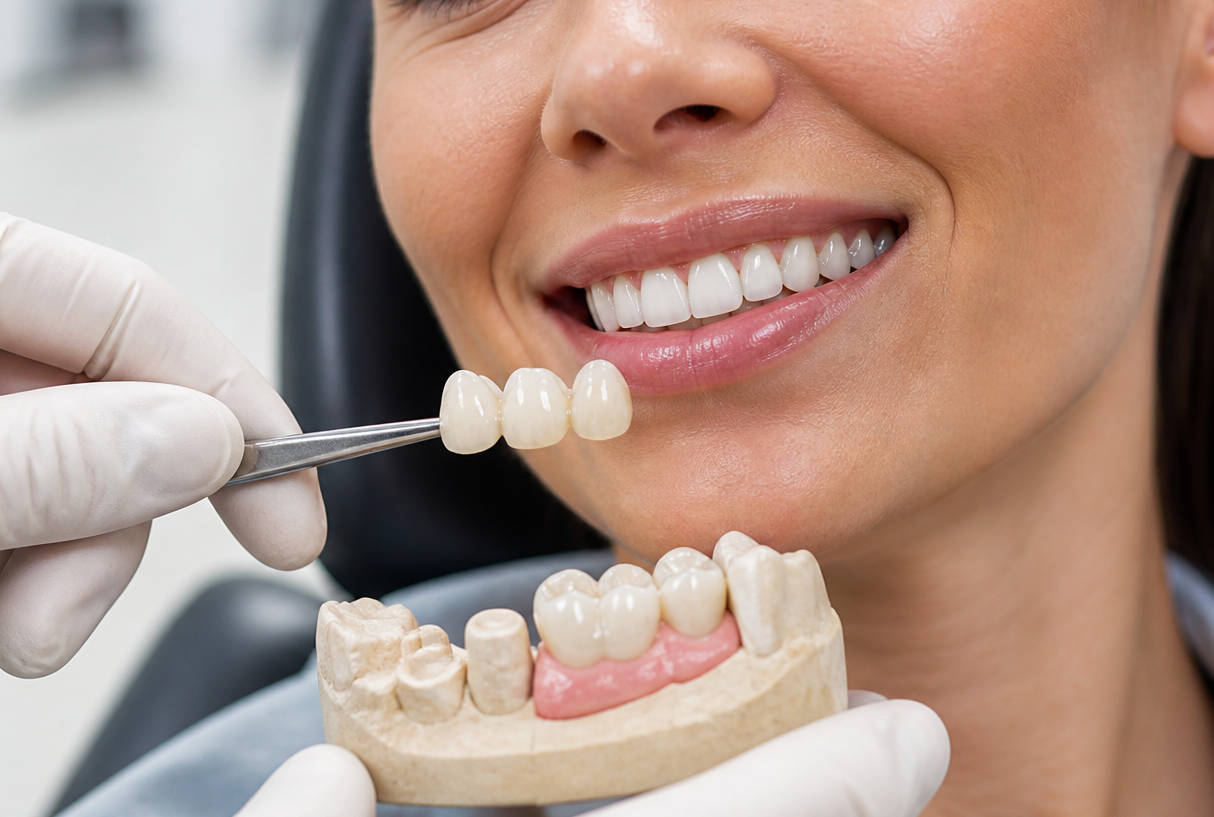
What a crown does — and what a bridge does.
How crowns and bridges work
A crown covers the entire visible portion of a tooth that has been weakened by decay, large fillings, fracture, or root canal treatment — situations where a filling alone cannot restore strength and shape. The tooth is reduced slightly, a digital scan or impression is taken, and a ceramic restoration is fabricated in the laboratory and cemented permanently in place. A bridge replaces one or more missing teeth by anchoring to the adjacent teeth: the neighbours are prepared to accept crowns, and a false tooth (pontic) spans the gap between them.
When a bridge fits — and when it doesn't
Unlike an implant, a bridge does not replace the root, so bone loss continues underneath the pontic over time and the adjacent teeth are permanently altered. A bridge is the right answer when bone volume is insufficient for an implant, when the neighbouring teeth already need crowns, or when timeline and budget make implant treatment impractical. When a crown is placed on an implant rather than a prepared natural tooth, the same material options apply — and because Dr. Alberts places both the implant and the crown, the restoration is designed holistically from the start.
Crown materials: an honest comparison
Zirconia
The current gold standard. A ceramic material with exceptional strength — hard enough that it requires no metal substructure. No grey line at the gum, no risk of metal showing through as gums recede. Recommended for most cases, including posterior teeth where chewing forces are highest. Ideal for most patients, gum recession, and heavy biters.
E-MAX Ceramic
Lithium disilicate ceramic with outstanding translucency. Closest match to natural tooth appearance for front teeth. Slightly less strong than zirconia — not recommended for teeth under heavy grinding load. Used most often for anterior restorations where aesthetics are the priority.
Metal-Ceramic (PFM)
Porcelain fused to metal. Long track record, strong and durable, lower cost. Less translucent than all-ceramic options — the metal substructure shows as a dark line at the gumline over time. Still appropriate in certain clinical situations and at accessible price points.
Crowns & bridges pricing
From:
€650
Zirconia crown
Full-ceramic zirconia crown, fabricated in a European laboratory from a digital scan. Recommended for most posterior teeth and for patients with heavy bite forces or gum recession.
- Digital scan — no impression putty
- Bite, fit, and shade confirmed in the chair before cementation
- Aftercare appointment included
From:
€650
E-MAX (lithium disilicate) crown
Highly translucent ceramic crown for anterior teeth where appearance is the priority. Layered shade-matching to the neighbouring teeth.
- Shade matched against adjacent teeth in natural light
- Fabricated by specialist anterior ceramists
- Aftercare appointment included
From:
€450
Metal-ceramic crown
Porcelain fused to a metal substructure. A long-established, durable option at a more accessible price point.
- Suitable for posterior teeth where aesthetics are secondary
- Treatment plan in writing before work begins
- Aftercare appointment included
From:
€600
Bridge — per unit
Multi-unit fixed bridge spanning one or more missing teeth, anchored to prepared natural teeth or to implants. Priced per unit (each crown and pontic counts as one unit).
- Zirconia or metal-ceramic, chosen for the case
- Final fitting and bite check included
- Implant-supported option available where indicated
All prices shown are approximate starting points. Every treatment is tailored to the individual patient, with the exact cost confirmed in writing before anything begins.
Crowns made for the bite, not just the look
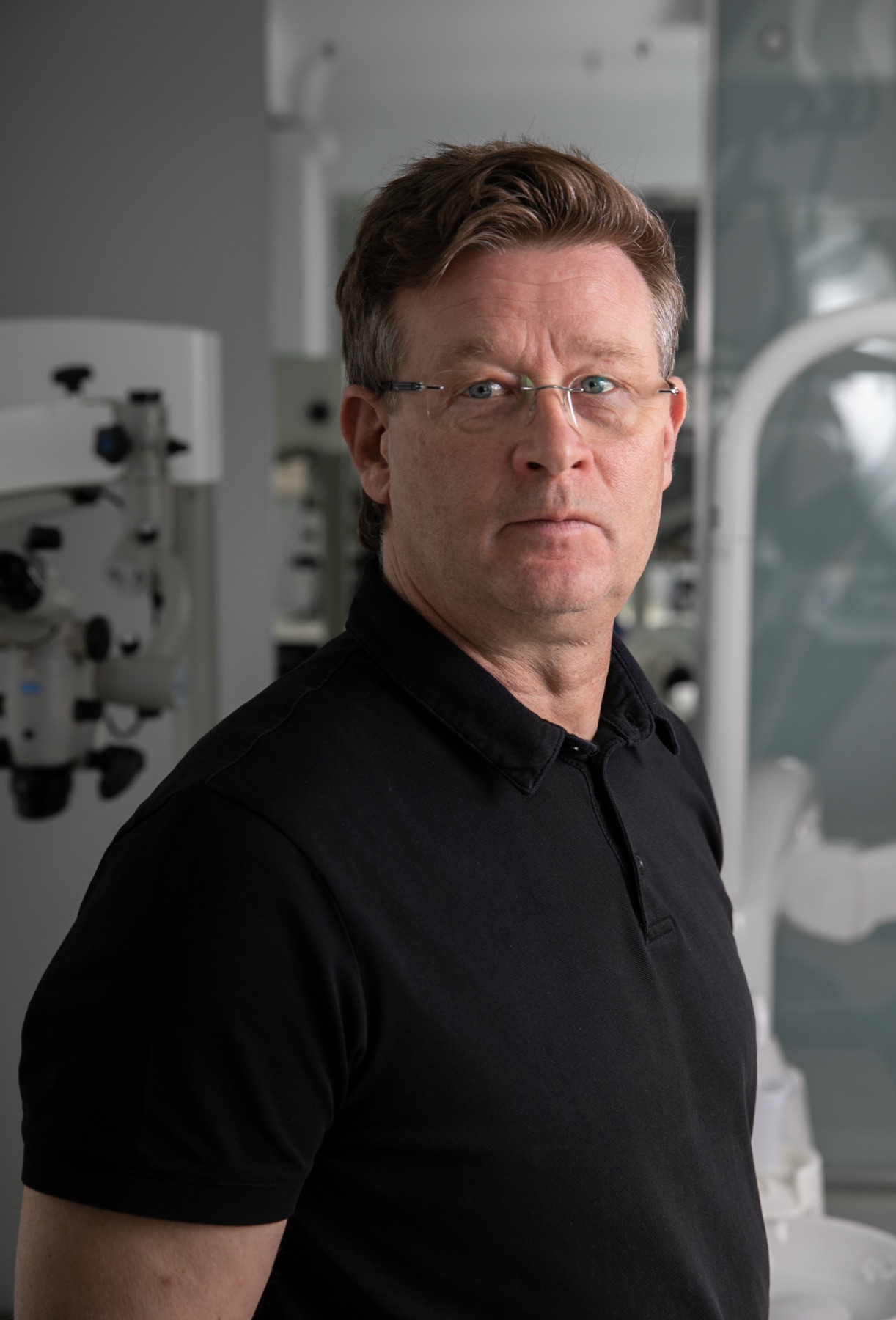
A crown that looks right but bites wrong will fracture, loosen, or quietly damage the opposing tooth. Every restoration here is checked against the full bite — the way the teeth meet at rest, the way they slide during chewing, the way they guide each other in lateral movement. Shade and contour matter, but they are the last decision, not the first. Materials are chosen for the case, not for the price list. Zirconia for posterior teeth and heavy biters. Lithium disilicate (E-MAX) where front-tooth translucency is the priority. Metal-ceramic where it is genuinely the right answer. Crowns are fabricated in vetted European laboratories from digital scans, and the final fit, contact points, and bite are confirmed in the chair before cementation. Every patient receives a written treatment plan with the exact total cost before any tooth is prepared.