Dental Prosthetics
Removable and implant-supported solutions when fixed implants aren't the right fit. Well-made prosthetics restore function and confidence — with honest guidance on what each option actually involves.
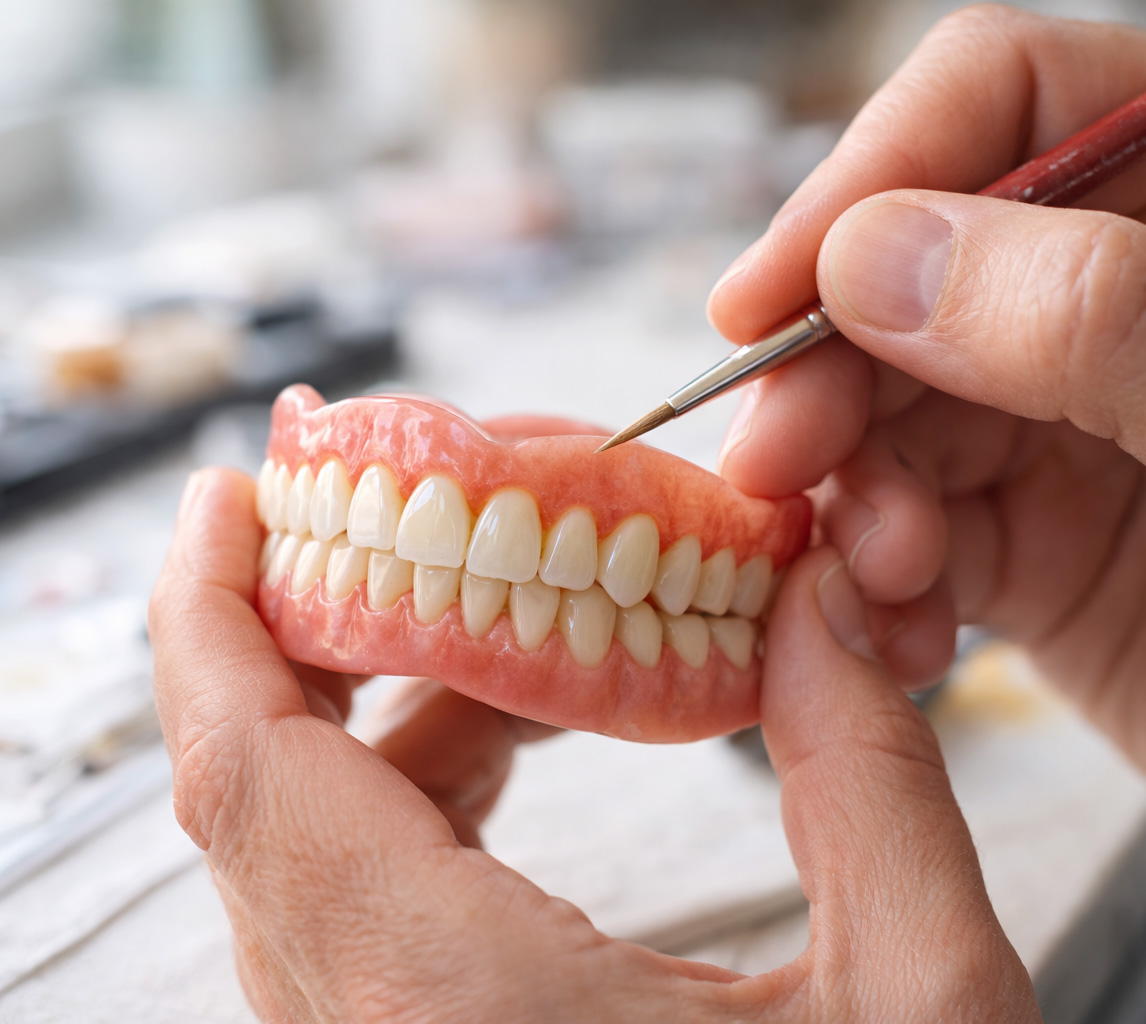
When is a prosthetic the right choice?
How prosthetics fit into the picture
Implants are the best long-term solution for missing teeth in most cases — but they are not always feasible. Insufficient bone volume, systemic health conditions, budget constraints, or patient preference can all make a prosthetic solution the appropriate path. Dr. Alberts treats prosthetics as a genuine clinical specialty, not a fallback. A well-fitted, properly designed denture or overdenture can restore function and aesthetics significantly. The goal is the best outcome available for your situation, not a single default answer.
Why an overdenture changes the picture
The most common complaint about conventional dentures is that they move. An implant-retained overdenture clicks onto two to four implants placed in the jaw — the attachment is secure, the denture does not move during eating or speaking. It is still removable for cleaning, but in function it behaves much closer to fixed teeth. The implants also stimulate the bone, slowing the resorption that gradually changes facial shape under conventional dentures. For many patients it is the practical middle ground between a removable denture and a fully fixed full-arch reconstruction.
Prosthetic options
Complete (Full) Denture
Replaces all teeth in an arch. Sits on the gum and relies on suction, muscle control, and denture adhesive for retention. The most affordable option — but also the least stable. Bone loss continues under a full denture because there's no root stimulating the bone.
Partial Denture
Replaces some missing teeth in an arch where some natural teeth remain. Clasps attach to existing teeth for retention. Removable — taken out at night. Less stable than fixed options but significantly more affordable.
Implant-Retained Overdenture
A removable denture that clicks onto 2–4 implants. Dramatically more stable than a conventional denture — stays in place during eating and speaking. Removable for cleaning. The implants also preserve bone. A strong middle-ground option between conventional dentures and a fully fixed arch.
Implant-Supported Fixed Bridge
Multiple implants supporting a fixed (non-removable) bridge spanning several missing teeth. Not an All-on-4 full arch, but a fixed multi-unit restoration for patients missing a group of teeth in one area. Cleaning requires special tools under the bridge.
Dental prosthetics pricing
From:
€700
Complete (full) denture — per arch
Full upper or lower denture for an arch with no remaining teeth. Designed and fitted in stages — bite registration, try-in, final fit.
- Multiple try-in appointments included
- Final fitting and bite adjustment included
- Aftercare appointments for the first 6 months
From:
€500
Partial denture
Removable partial denture replacing several teeth in an arch where natural teeth remain. Acrylic or cobalt-chromium framework depending on the case.
- Clasps designed to minimise visibility
- Final fitting included
- Aftercare appointments for the first 6 months
From:
€1,500
Implant-retained overdenture
Removable denture that clicks onto 2–4 implants. Price covers the prosthesis and the attachments — implants priced separately under implant treatment.
- Locator-style attachments included
- Compatible with existing well-fitting dentures in some cases
- Replacement nylon inserts every 12–24 months
From:
€600
Implant-supported fixed bridge
Fixed (non-removable) bridge spanning several missing teeth, supported by implants. Priced per unit; final cost confirmed in writing after 3D scan.
- Zirconia or metal-ceramic, chosen for the case
- Final fitting and bite check included
- Hygiene tools and technique demonstrated at fit appointment
All prices shown are approximate starting points. Every treatment is tailored to the individual patient, with the exact cost confirmed in writing before anything begins.
Prosthetics treated as specialist work
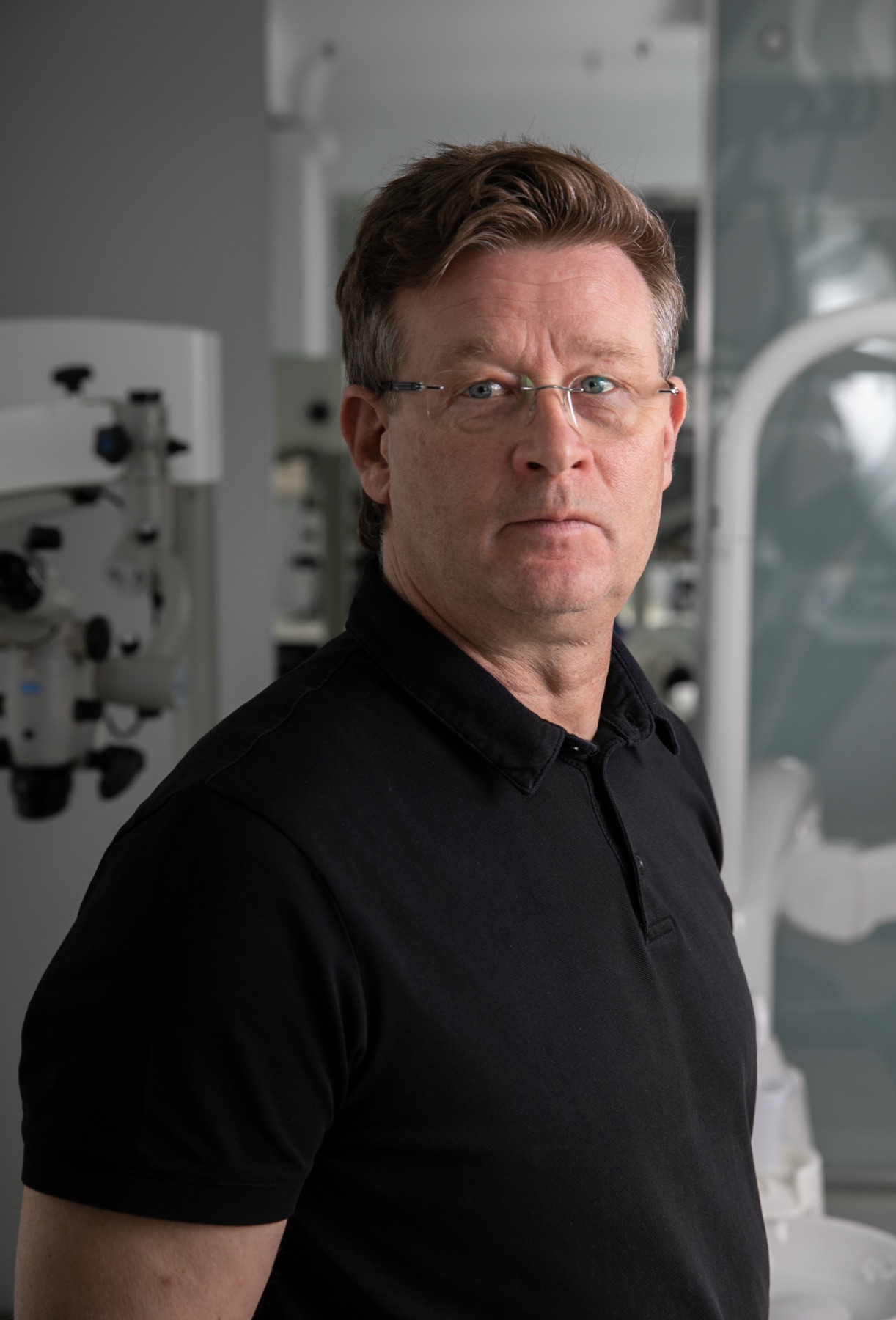
A denture is not a generic appliance. The bite registration, the position of the artificial teeth, the contour of the flange, and the relationship to the lips and cheeks all determine whether the result is comfortable and looks natural — or sits in a drawer. Dr. Alberts is a prosthodontist; reconstructive prosthetics is the field he trained in. Every prosthetic begins with a full assessment of what remains: bone volume, gum health, the bite of the opposing arch, and the patient's day-to-day expectations. Conventional, partial, implant-retained, and fixed implant-supported options are explained with their actual trade-offs — comfort, stability, bone preservation, cost, and what maintenance each one needs. Prosthetics are fabricated in vetted European laboratories and adjusted in the chair until the bite and fit are right. A written treatment plan with the exact total cost is provided before any work begins.