Veneers
Porcelain and composite veneers for chipped, stained, or uneven teeth. Planned digitally — you see the result before treatment begins.
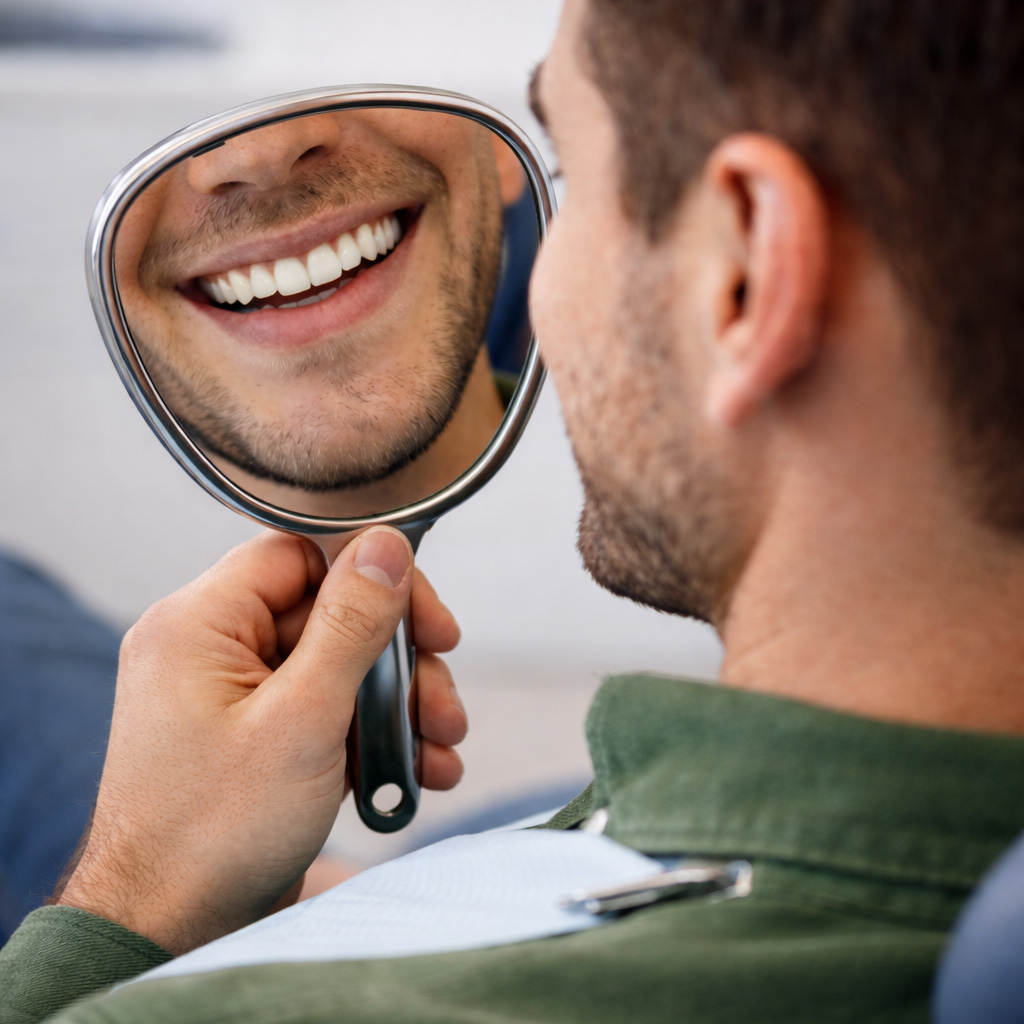
What veneers do.
How veneers work
A veneer is a thin shell — porcelain or composite — bonded to the front surface of a tooth. They correct chips, staining, gaps, and shape irregularities. The result looks like a natural tooth because the material is chosen and shaped to match your specific anatomy. Porcelain veneers are fabricated in a laboratory from a digital scan over 1–2 weeks; composite veneers are built up directly on the tooth in a single appointment. For porcelain, a small amount of enamel is removed first — this step is permanent. Composite usually requires minimal or no preparation.
When veneers are the right answer
Veneers are right for chipped, cracked, or worn teeth; permanently stained or discoloured teeth that don't respond to whitening; slightly misaligned or uneven teeth; gaps between teeth; teeth that are too small or irregularly shaped; or a smile that has bothered you for years. They are not suitable for teeth with significant structural damage, active decay, or severe misalignment — those need crowns, restorative care, or orthodontics first. Most patients come in with a specific complaint, and the assessment confirms whether veneers will actually solve it or whether a different approach is more honest.
Types of veneers
Porcelain Veneers
Ultra-thin ceramic shells bonded to the front surface of the tooth. Porcelain matches natural enamel translucency closely — the result is indistinguishable from natural teeth. Highly stain-resistant and durable. The standard for permanent smile transformation. Lifespan 10–20 years with proper care.
Composite Veneers
Applied directly to the tooth using composite resin, shaped and polished in a single appointment. A reversible, lower-cost alternative to porcelain. Better suited to minor corrections — chips, small gaps, slight discolouration. Lifespan typically 5–7 years before refinishing or replacement.
Smile Design
Before any veneers are placed, we map the result digitally. You see exactly what your smile will look like before a single tooth is touched. Shape, proportion, colour — all planned and confirmed first. Veneers are then custom-made to that specification.
What the process looks like
01
Step 1
Assessment & digital planning
We photograph your teeth, take measurements, and design the proposed result on screen. You see the outcome before anything is prepared or bonded.
02
Step 2
Tooth preparation
For porcelain veneers, a small amount of enamel is removed to create space for the shell — this is permanent and irreversible. Composite veneers require minimal or no preparation.
03
Step 3
Fabrication & bonding
Porcelain veneers are made in the lab over 1–2 weeks; you wear temporaries in the meantime. Composite veneers are shaped directly on the tooth in a single appointment — no lab, no temporaries.
Veneers pricing
From:
€600
Porcelain veneer — per tooth
Lab-fabricated porcelain veneer bonded to the front surface of the tooth. Designed digitally and confirmed before any enamel is touched.
- Digital smile design included
- Temporary veneers worn during 1–2 week fabrication
- Final fitting and bite check included
From:
€250
Composite veneer — per tooth
Composite resin veneer shaped and polished directly on the tooth in a single appointment. Reversible and lower-cost; suitable for minor corrections.
- Completed in a single appointment
- Minimal or no enamel preparation
- Refinish appointment included within 12 months
From:
€200
Digital smile design — full case
Full digital planning of a multi-tooth veneer case. Photographs, scan, and on-screen design with a chairside mock-up before treatment is committed to.
- Photograph and digital scan of existing teeth
- Mock-up bonded onto existing teeth for review
- Cost credited against subsequent veneer treatment
All prices shown are approximate starting points. Every treatment is tailored to the individual patient, with the exact cost confirmed in writing before anything begins.
Specialist work, planned before the first cut
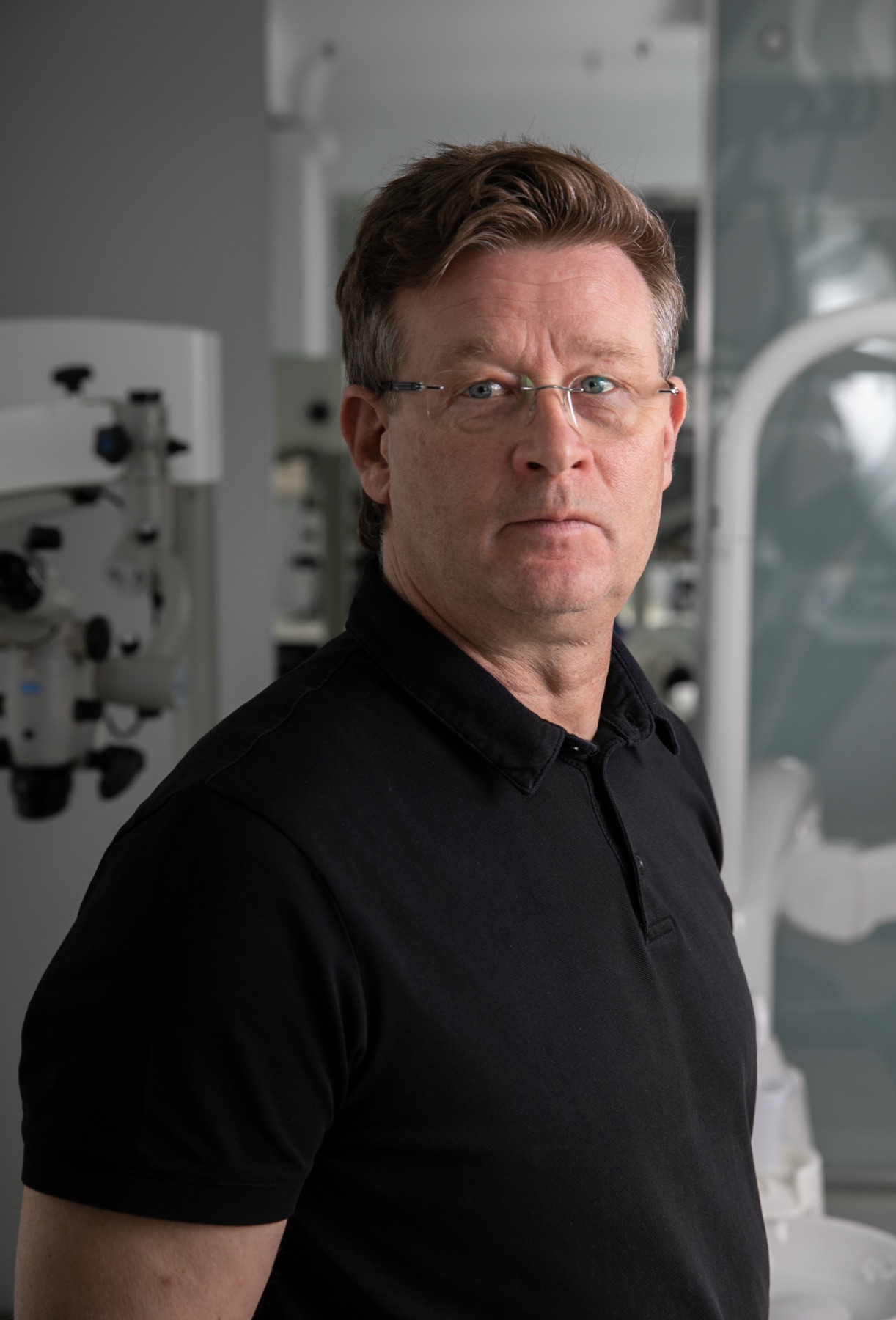
Dr. Alberts is a prosthodontist — a specialist in dental reconstruction and aesthetics. Veneers are precision work: planning, proportion, and placement all decide whether the result looks natural or obviously artificial. This is where specialist training shows up, and it is the reason every veneer case here begins with a digital smile design rather than a chairside guess. Photographs, measurements, and a digital scan are used to design the proposed result on screen. You see exactly what your smile will look like before a single tooth is touched. Shape, proportion, and shade are all confirmed first — and where useful, a mock-up is bonded onto your existing teeth so you can see and feel the design in your own mouth. Only once the design is approved is enamel touched. Veneers are then fabricated to that specification by vetted European ceramists and bonded under controlled conditions, with the bite checked at the final appointment.